The Top Ten Films of 2025
Note that the films here releases in the U.K. within the calendar year of 2025.

10. I’m Still Here - After the capture of former politician and father in 1971, Brazil, Eunice and her family are forced to live in fear as she secretly fights for answers as to her husband’s disappearance. Fernanda Torres rightfully received an Oscar nomination for her performance here as a Mother desperately trying do right by her children, lost as to what has become of their lives in this political upheaval. Walter Salles most effective component of his film is his ability to manipulate a space that was once filled with love and morph it into one of coldness and hostility. The lack of morality that haunts this family is one that permeates the film too they seek justice that will never appear, a spectre just as their father has become.
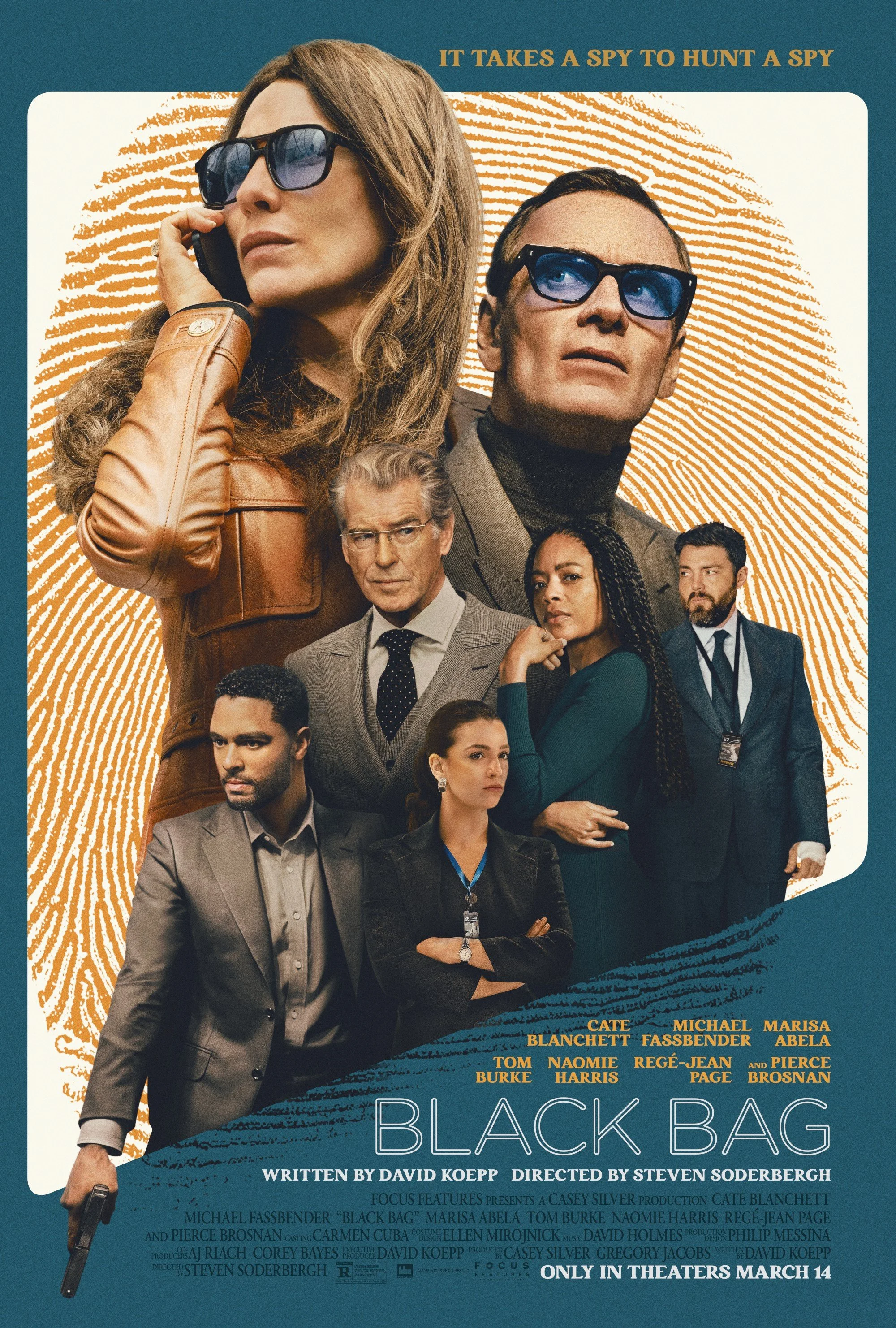
9. BlackBag - A playful, Hitchcockian whodunnit that, at its core, is about the power of true companionship. Under its stylish modern spy aesthetic and cynical takes on modern dating (one that might make a good double-feature with, Materialists), lies a deeply positive message that true love can indeed conquer all. Fasbender is entrancing as the obsessively devoted, George, whose doubts lead to a myriad of questions about the nature of his marriage and the true intentions of those around him. Not a second is wasted in this tight, well-structured story, whose ending would be befitting of a classic golden-age thriller.
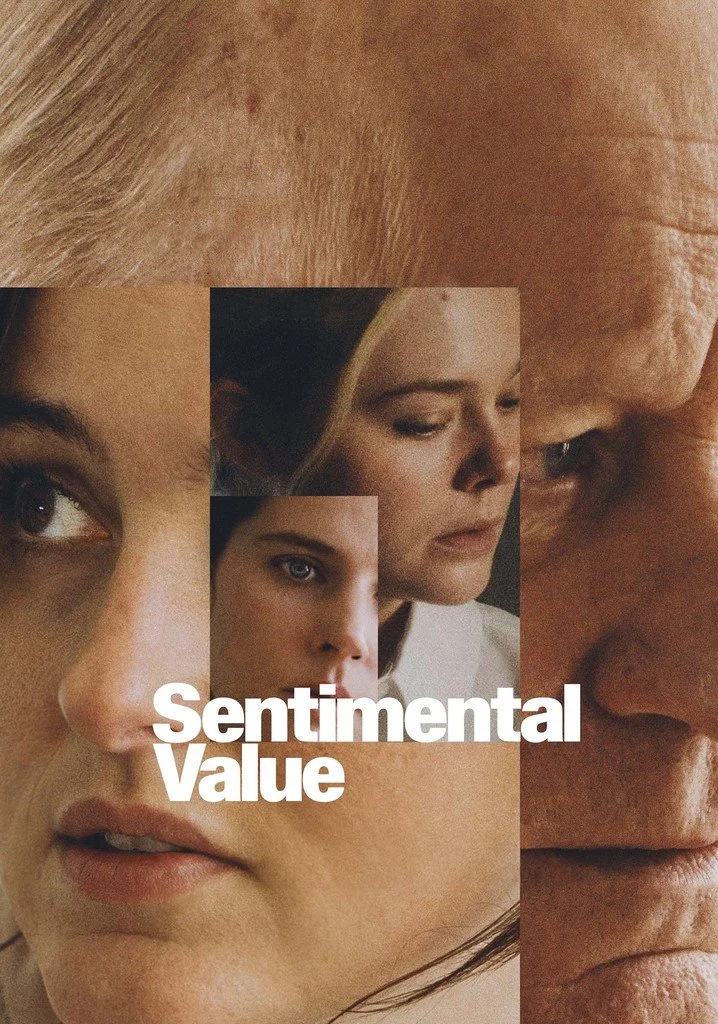
8.Sentimental Value - After the death of Renate and Inga’s mother, their estranged father, Gustav (Stellan Skarsgård), seeks to use their family home as the setting for his latest film. Joachim Trier’s latest film journeys into the complex emotions of fraught relationships and estranged relatives. Each performance pierces the veil of the screen, feeling wholly tangible, as Trier and his intimate camerawork bring us closer to the dynamics of this fractious family. Trier makes us feel like we, too, are an old family ornament who has seen the tumultuous ins and outs of their lives. Trier’s characters are always filled with insecurities and flaws, which are ever-present here, drawing us into their personal and profound moments of truth that they are forced to face.
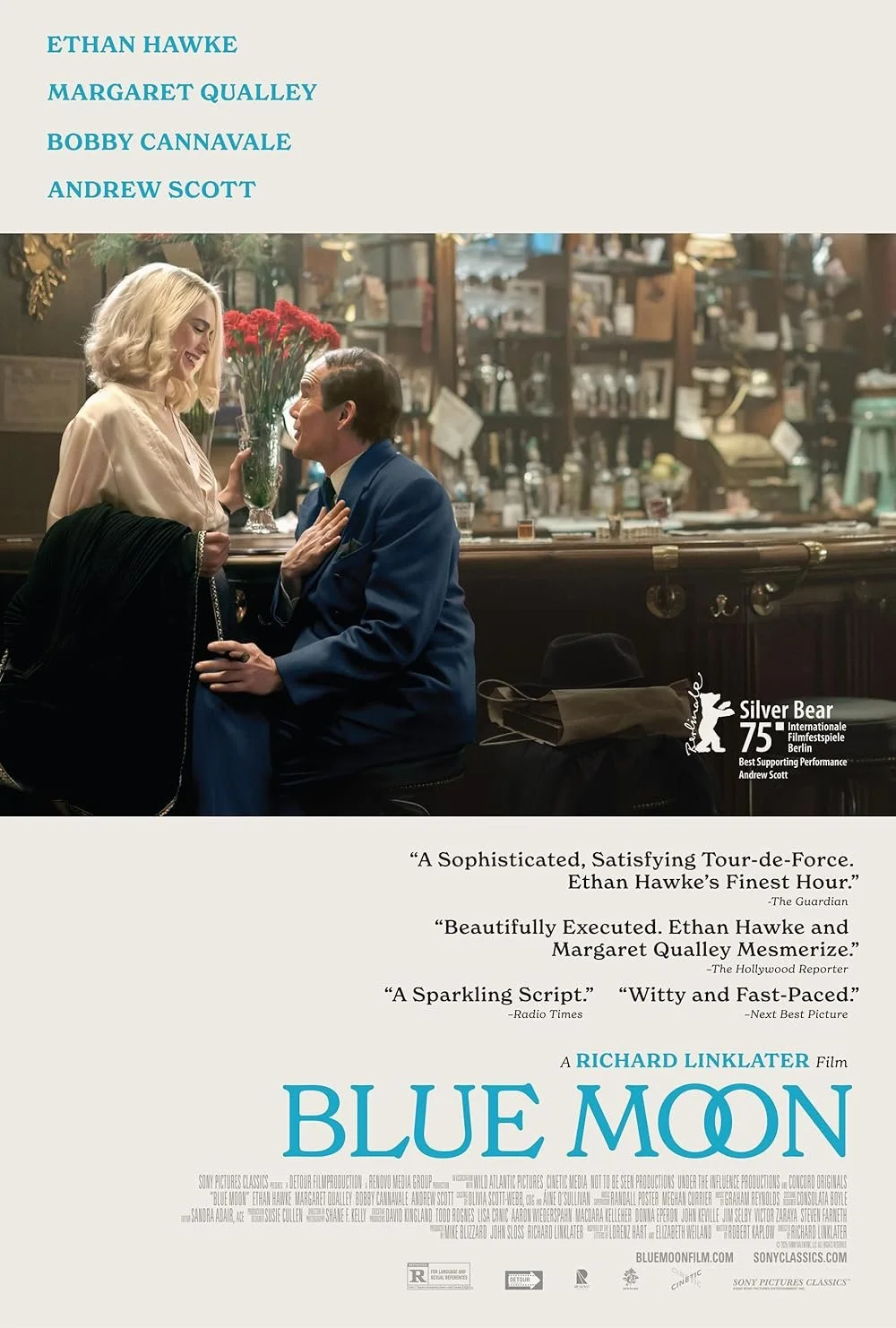
7. Blue Moon - Taking place within the final months of lonely Broadway lyricist Lorenz Hart (Ethan Hawke) set primarily in one location, Blue Moon is at times charming and hilarious, but never loses this tone of melancholy throughout. Hawke’s turn as the hopeless romantic only fills your heart with pity as he so desperately seeks to be loved, pining after Elizabeth (Margaret Qualley), whom he knows it could never truly work. Hawke is at the height of his powers, never failing to draw you in to every word and wild, witty remark. While the audience knows it is the end for Lorenz, there is a dawning sense that he, too, knows it is the end as Hawke manages to capture the sadness of the light fading from one’s eye.
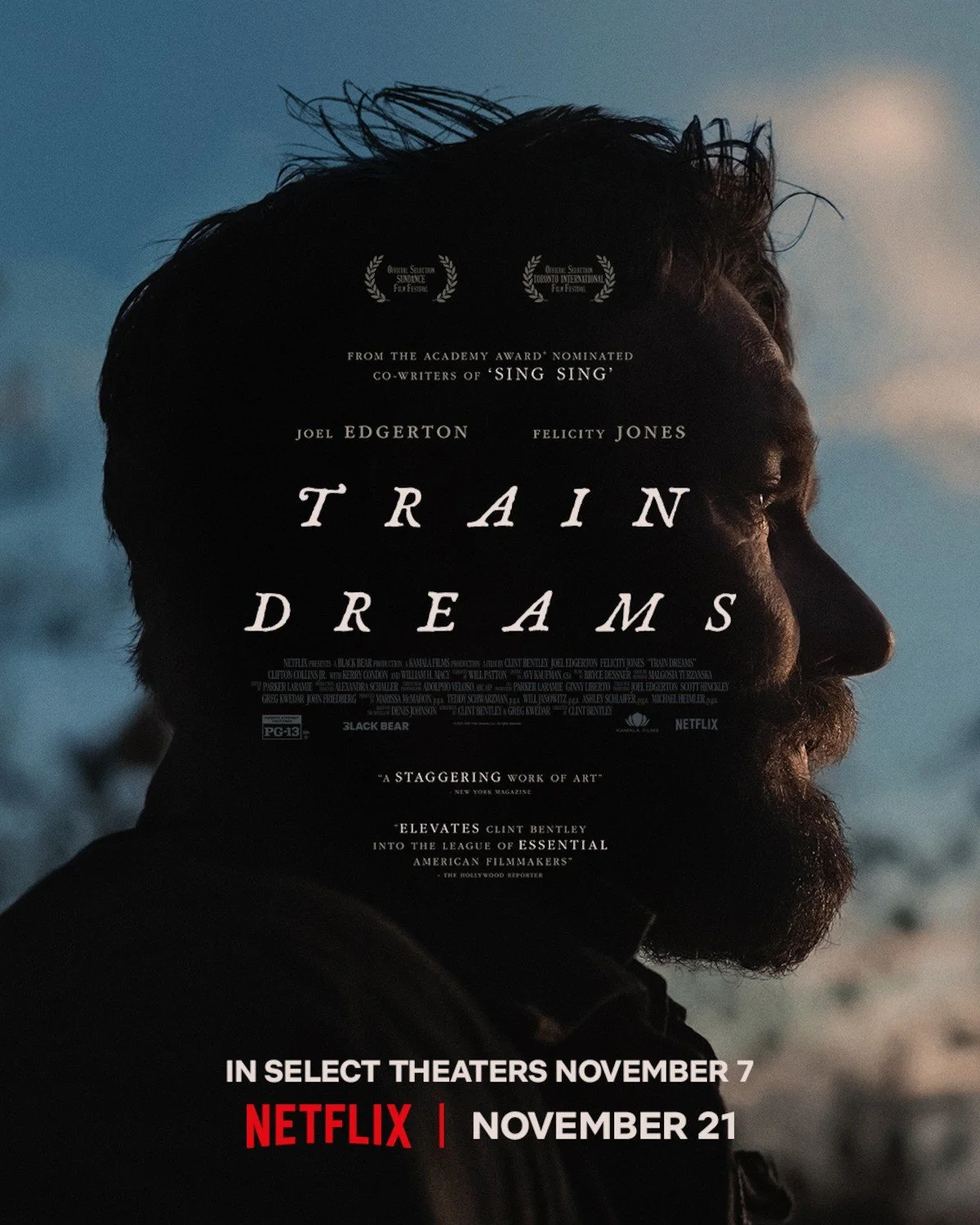
6. Train Dreams - A lonesome man’s odyssey through the peaceful pines of America’s frontier, Train Dreams is a meditation on the interconnected roots of America, man, and the natural world. Narrated like a great American novel of the 20th century, accompanied by a visual style that frames its world like a portrait of a time long since passed. Joel Egerton leads the film as the quiet, stoic Robert, a man whose journey through the quiet and, at times, cruel forests makes both us and Robert contemplate what is truly important in life. We become hypnotised by Robert’s way of life, which, by the film’s close, director Clint Bentley brings us to an understanding of life’s brevity. Bentley’s film leaves space for reflection on the beauty and cruelty of not only America’s expansion, but also life itself.
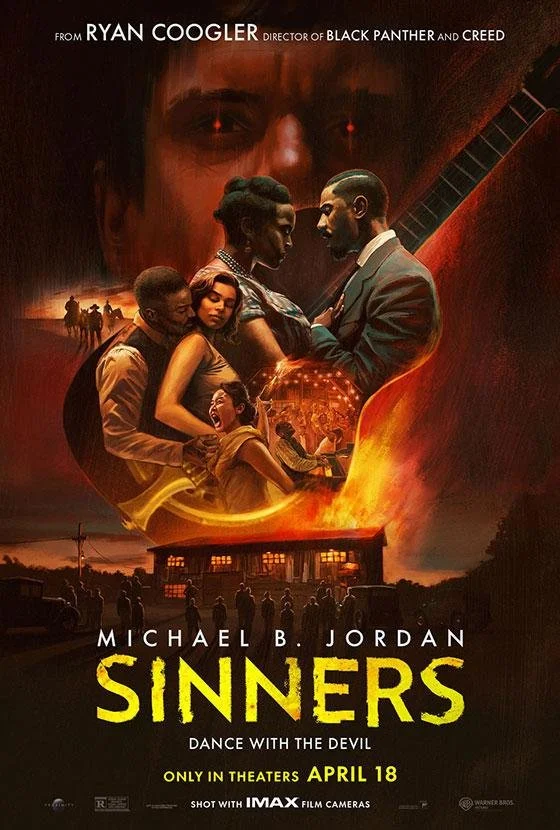
5. Sinners - A true blast from start to finish, Ryan Coogler’s smash hit Sinners is set to be a vampiric classic in years to come. Sinners’ true impact comes from the time it gives us to inhabit the town of Clarksdale, understanding the relationship dynamics between the twins, Smoke and Stack (Michael B Jordan), and their dynamics between all the community they left behind since their time in Chicago. Jordan plays both twins with clear distinction and pedigree, while surrounded by a stellar supporting cast. All of this builds to a superb second act that, at its core, becomes about the connection music creates between people and time, leading to one of the most profound sequences of the year.
4. Nosferatu - What a year for vampires! Robert Eggers’ Nosferatu remake is gloriously dark, gothic and bleakly brilliant. Invoking the theatricality and visual prowess of the 1922 original along with more contemporary horrors like, The Exorcist (1973) and Possession (1981), Rogers solidifies his version of Nosferatu as its most evil. Lily-Rose Depp triumphs as the tortured Elizabeth, whose physical and traumitised performance evokes the film’s allegory of sexual assault and the victim blaming that follows suit. Its oppressive mood is dictated by the phenomenal set-design and cinematography of Jarin Blaschke, all coming together to create a visual feast for the eyes.
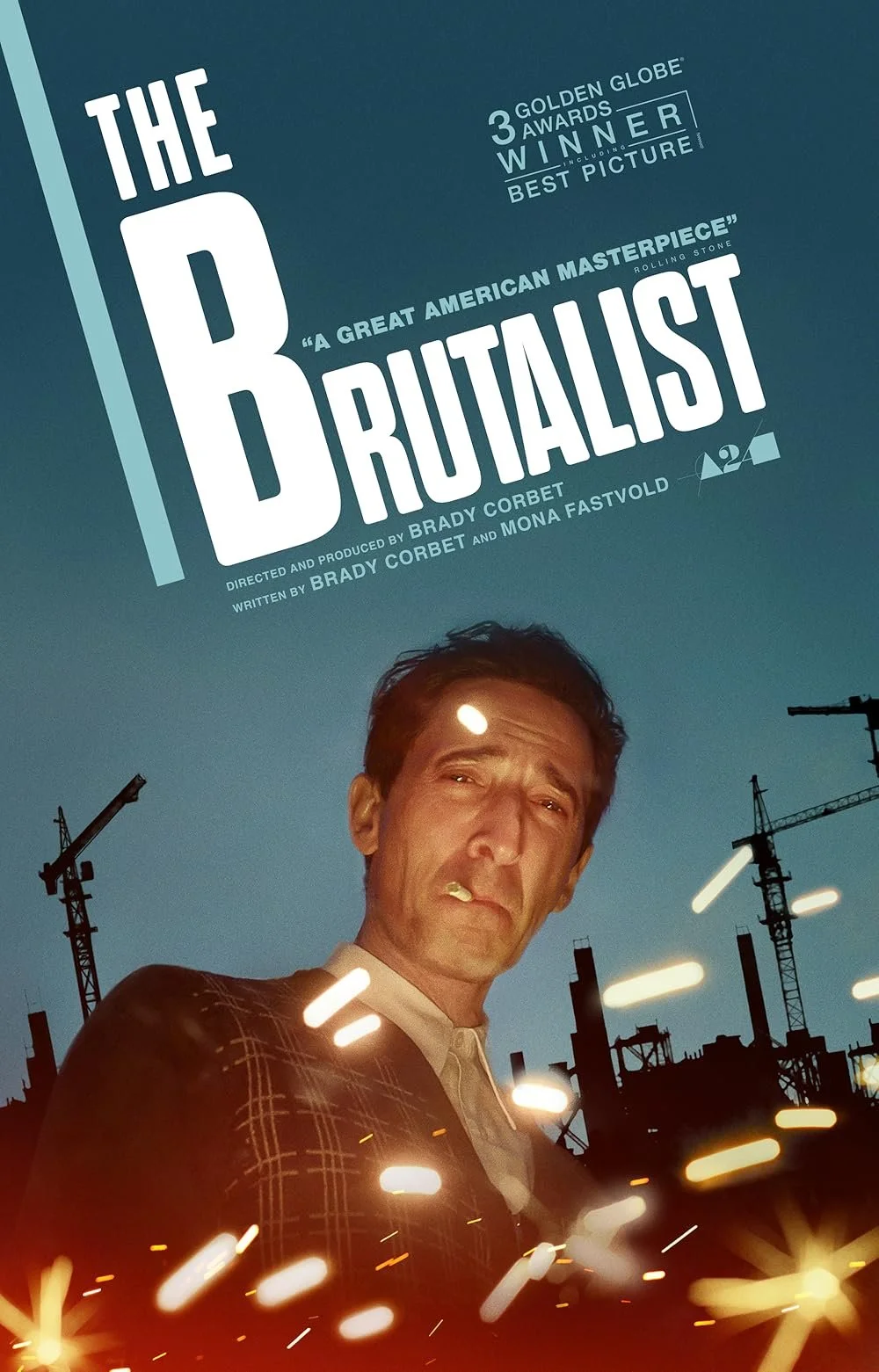
3. The Brutalist - Epic in scope, emotion, and yes, runtime - The Brutalist is a triumph that was perhaps snubbed for last year’s Best Picture. Telling the story of Hungarian architect László Tóth’s (Adrien Brody) and his American odyssey to achieve his architectural vision, The Brutalist, is a startling reflection on the immigrant experience and the exploitation that follows. Brody rightfully won his second Oscar for a performance that enraptures the beauty and brutality that follows in chasing László’s vision. It is a performance that understands the consequence, pain, and worth of every sacrifice. The impeccably crafted Vistavision cinematography by Lol Crawley and the sonically sumptuous score by Daniel Blumberg capture the enormity of László’s dream and the darkness of his reality. A lofty cinematic experience that can be seen and studied in a myriad of ways, whether it be the capitalist exploitation of those told a false dream or the never-ending battle between art and commercialism, The Brutalist is a treasure trove of ideas and an inspiring tale of a ceaseless spirit.
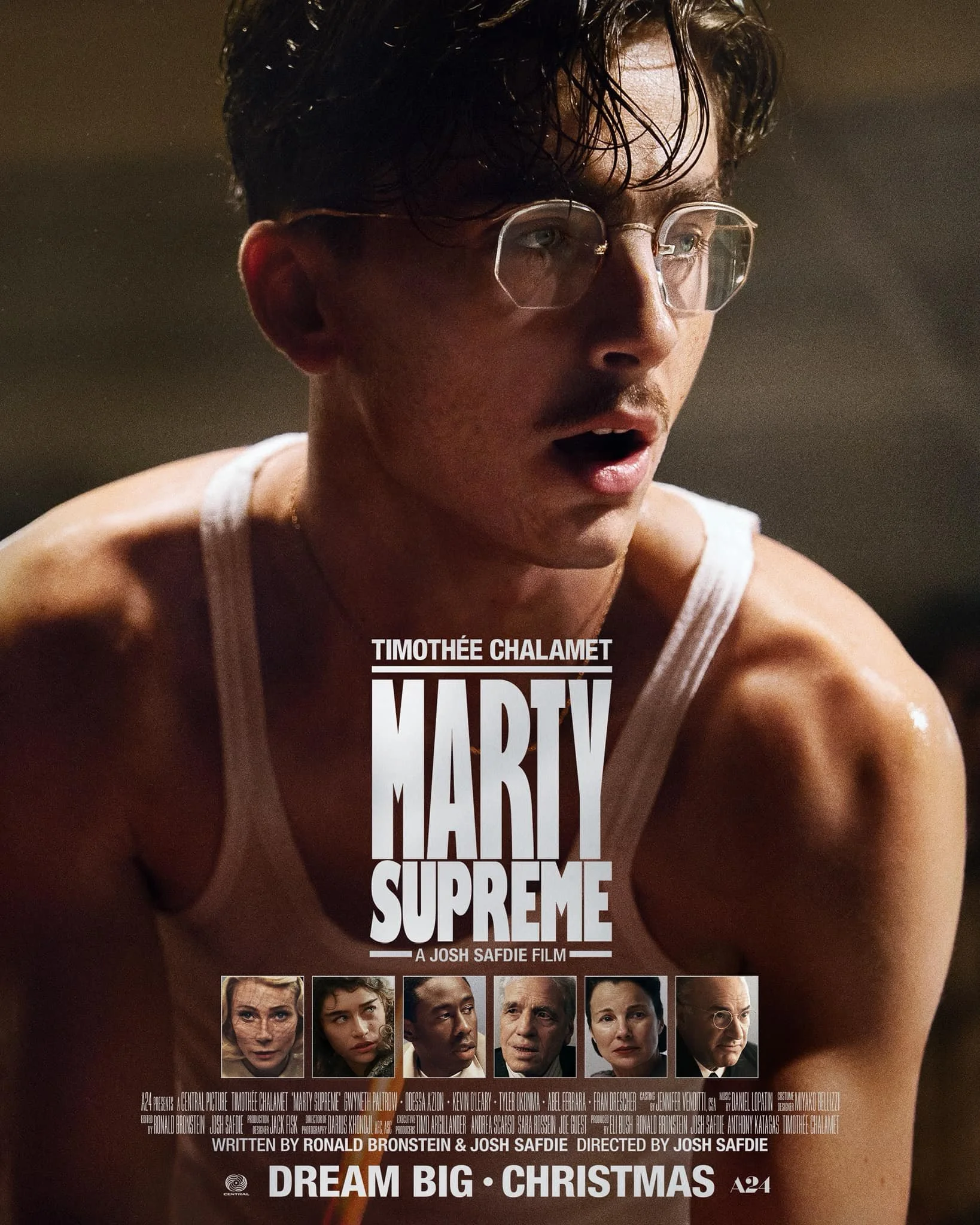
2. Marty Supreme - A true spiritual Successor to Good Time and Uncut Gems, Marty Supreme is every bit as chaotic, unpredictable, and intense, but it is Chalamet’s charismatic turn as the titular Marty that adds a touch of humanity to Josh Safdie’s anarchy. We follow Marty in every one of his wild schemes, as even under all that arrogance and recklessness, there is a true charm to Chalamet’s performance. Marty Supreme invokes the chaotic and hostile New York of Scorsese’s After Hours, a chaos all of Marty’s own making. Marty's ceaseless destruction and inability to know when to quit mount to a non-stop tale of twists and turns that remarkably highlights what is truly meaningful in life. This is an Icarus tale of sorts, of a man who flies too close to his massive, burning star of an ego, maybe coming out the other side burnt, but as a better man for it. Engaging from start to finish, punctuated by a breakneck editing style and transfixing score by Daniel Lopatin - Marty Supreme reigns supreme.
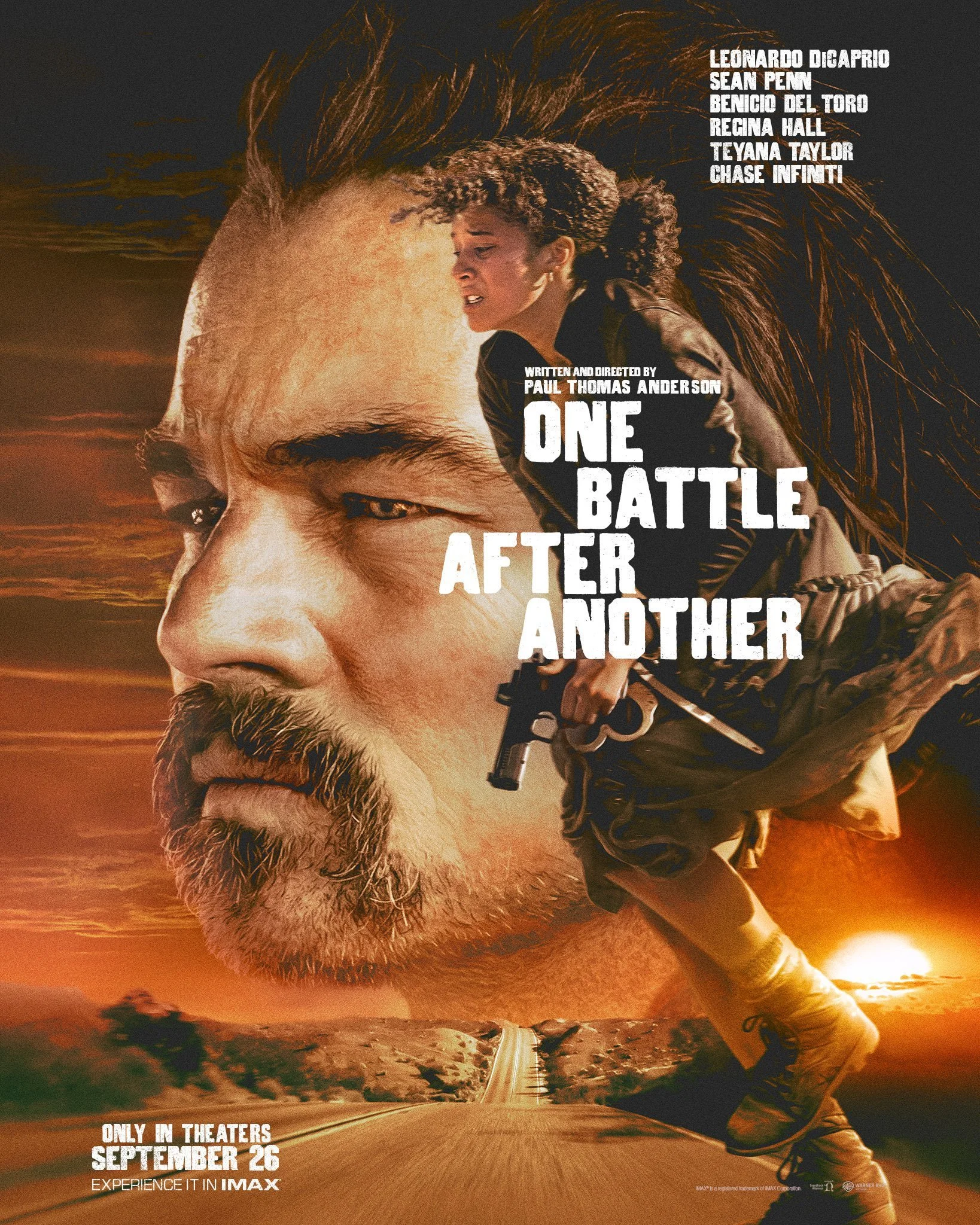
1.One Battle After Another - Paul Thomas Anderson’s 10th feature film is undeniably one of his best. While There Will Be Blood, remains as prevalent as ever in its commentary on cannibalistic capitalism, none of Anderson’s films have been quite so relevant to today’s political climate. Understanding the current heat of America’s governance, Anderson’s film does not stop from the first minute, ramping up the temperature and tension in every passing scene. As white supremacist Colonel Lockjaw (Sean Penn) tightens his grip on Baktan Cross, we become witnesses to some of the most exhilarating set-pieces of the year, all propelled by Johnny Greenwood’s frantic, electrifying score. Yet there is no suave, heroic figure with a righteous moral code to save the day; instead, we get Bob (Leonardo DiCaprio). A stoner who has been out of the revolutionary commission for 15 years is suddenly thrown into the fray between Lockjaw’s militia and bounty hunters, all in search of his daughter, Willa (Chase Infiniti). DiCaprio is at his comedic peak here (one that rivals his turn as Rick Dalton in Once Upon a Time in Hollywood), as a man woefully out of his element, fumbling around as he tries his best to save his daughter. Indeed, amidst the wild chase sequences and political commentary that highlight the tragic, consequential idiocy of fascistic rule, there is the story of people just trying to get by, trying to survive in a time of constant rage.